Beyond the Status Pack: Rebuilding the PMO Around Decisions
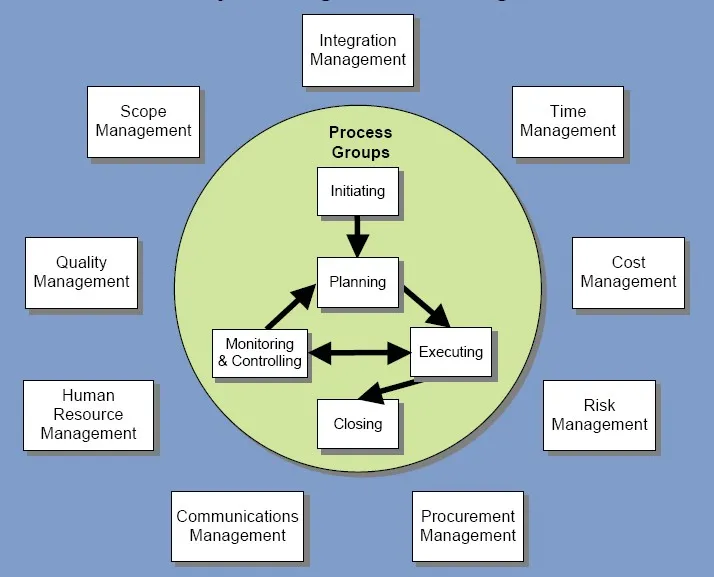
Photo: DEPARTMENT OF VETERANS AFFAIRS Office of Information and Technology, Public domain, via Wikimedia Commons
A project management office can become a reporting factory without anyone deciding that it should. The drift is gradual. A status pack is requested, then expanded. A template is added. A meeting is scheduled to review the pack. Soon the PMO's working week is organised around collecting updates, reconciling formats and publishing on time. The organisation receives more information, but not necessarily better decisions.
This is an argument for a narrower and more useful role. A PMO should be a decision service: a function that helps leaders choose, sequence, stop and assure work. Reporting is one input to that service, not the product.
Five Signs of a Reporting Factory
-
The pack is full but the decision is absent. Reports describe activity, milestones and sentiment, but do not state what decision is required, who must make it or by when. If a forum can receive the pack and leave without a decision, the pack is not doing governance work.
-
The calendar drives the agenda. Forums meet because they always meet. The same people review the same status in the same order. Urgent choices are handled elsewhere or deferred, while the formal meeting becomes a ritual of confirmation.
-
Data is curated for comfort. Status is smoothed before it reaches decision-makers. Issues become watch items. Slippage becomes a revised forecast. The PMO may call this assurance, but it is often presentation management.
-
The PMO collects rather than challenges. Much of its time goes on chasing updates and correcting templates. It has little capacity to test assumptions, examine dependencies or ask whether a plan is credible. The function becomes a data exchange, not a source of delivery assurance.
-
Success is measured by output. The measures are timeliness, completeness and volume of reports. Few people ask how many decisions were made, how quickly, or whether assurance changed an outcome. The PMO is busy, but its effect on delivery is hard to demonstrate.
From Output to Decision
The route out begins with a decision inventory. For each major forum, list the decisions that genuinely need to be taken there. Identify the decision owner, the evidence required and the deadline. Then remove or reduce reporting that does not support those decisions. This is not an argument for less information. It is an argument for information that has a job.
A useful test is to ask what would change if a report disappeared. If the answer is nothing, it is a candidate for retirement. If the answer is that a decision would be delayed, the report has a purpose and should be designed around that decision.
Refocus on Challenge and Prioritisation
A decision-oriented PMO does three things well. It challenges the credibility of plans and forecasts. It helps leaders prioritise across competing work. It provides delivery assurance that is independent enough to be useful and practical enough to be acted upon.
Challenge does not mean adversarial review. It means asking evidence-based questions: What has to be true for this date to hold? Which dependency is most likely to move? What is the cost of stopping? What would we need to see to change our mind? Prioritisation means making trade-offs explicit, including the work that will not be done.
A 90-Day Route
In the first 30 days, inventory reports and decisions. Identify the forums that make real choices and the packs that support them. Stop reports that no decision depends on, or move them to a self-service channel. In days 31 to 60, redesign the core pack around decisions, risks and dependencies. Clarify decision rights and establish a simple decision log. In days 61 to 90, measure decision latency, the proportion of decisions made at the intended forum, and the number of assurance actions closed. Review whether the PMO's effort has shifted from production to influence.
The aim is not to abolish reporting. It is to make reporting serve judgement. A PMO that helps the organisation decide, sequence and stop work is more valuable than one that publishes a perfect pack on time. Clearer delivery, done properly, starts with knowing which decisions the governance exists to support.